

UL, Cooper Standard, and You
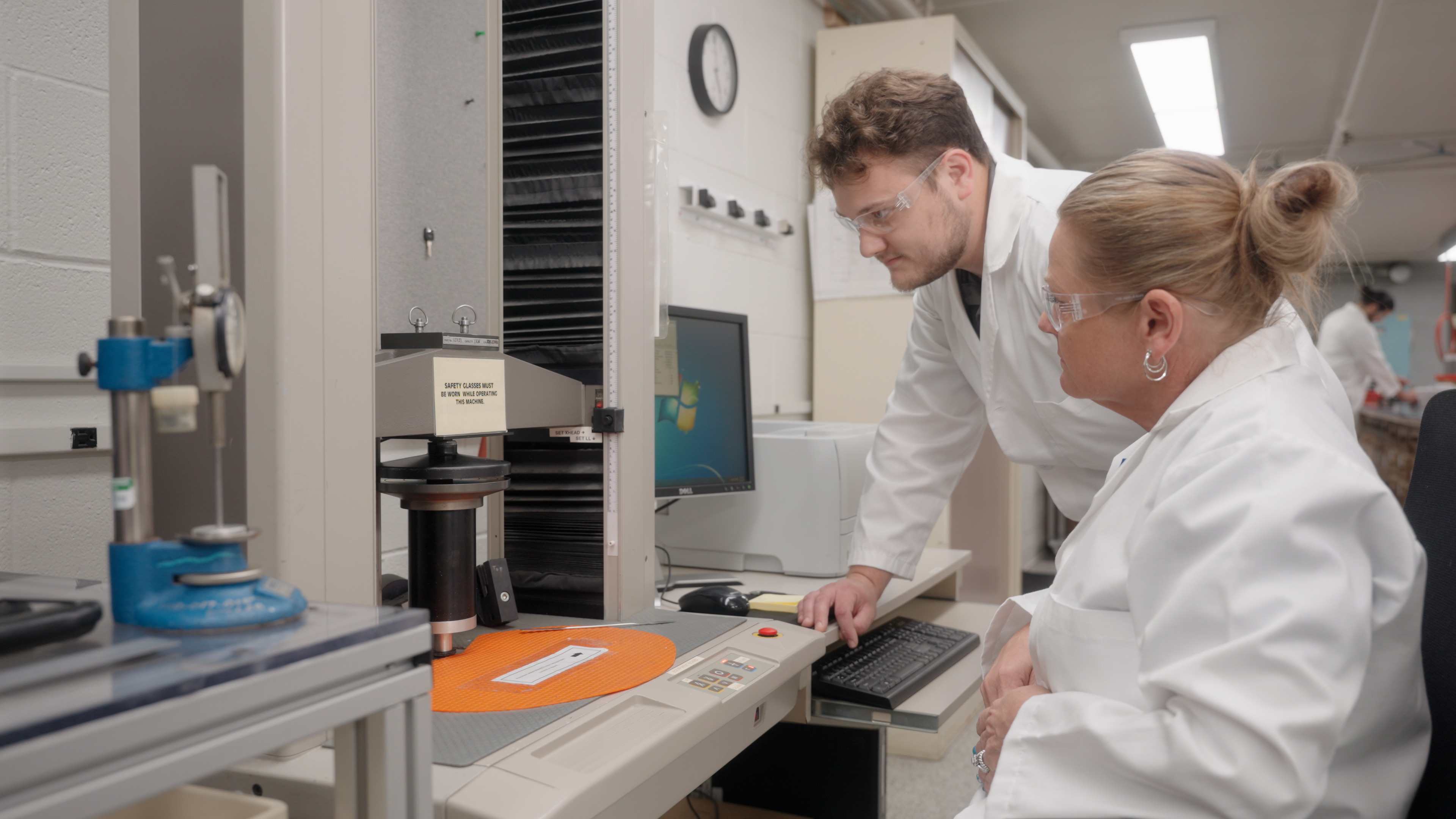
Customers in the industrial sealing and fluid handling space face constant pressure to meet evolving standards from regulatory agencies, certifying bodies, and industry groups. Cooper Standard ISG stays ahead by proactively monitoring these requirements, developing compliant materials, submitting documentation, and helping customers avoid penalties while entering global markets profitably.
We offer ready-to-use alternative materials, in-house compounding and profile design expertise, and advanced Finite Element Analysis to support any need.
In this blog series, we will discuss the organizations and requirements that most frequently impact our products and our customers, including ASTM; UL; California OEHHA’s Prop 65; the European Chemical Agency’s REACH and RoHS; PFAS mandates; Responsible Minerals; and, finally, the FDA, along with some of its international analogs and the certifying body NSF.
In each blog post, we will discuss some of the responsibilities that requirements might place upon customers in particular industries, and how Cooper Standard ISG expertise can help ensure that our partners’ seals, fluid handling systems and all related components meet every demand.
In this post, we’ll focus on UL.
Every consumer is likely familiar with the universe of UL mark found on a wide range of products, including electronics, furniture, construction materials, fire and carbon monoxide detectors. UL classified or UL recognized signifies that a product has been rigorously evaluated, tested and meet safety and quality standards critical to specific applications, providing confidence to the market. For manufacturers, it acts as a valuable marketing tool, recognizing performance and consistency of the manufactured product, making listing with UL a worthwhile achievement to earn.
UL was founded in 1894 under the name Underwriters Laboratory and now consists of three separate groups with distinct responsibilities. The testing, inspection, and certification work directly affecting Cooper Standard ISG and its customers is handled by UL Solutions, optimizing safety and performance across various industries like appliance, HVAC, windows and doors, and more. Earning authorization to use the UL mark is a serious endeavor for both our customers and us.
Where we come in
Our goal is to develop materials for each application that can meet or exceed every UL test in the category. We already have numerous UL-certified compounds and products readily available, listed in the UL database (For example, see: https://productiq.ulprospector.com/en/profile/8231502/tvts2.r19224?term=ds&page=214).
Additionally, we excel in the paperwork process to facilitate quick approvals. For example, if a customer requests a color change to an existing listed model , we can establish the appropriate fingerprints and property testing to discuss with UL the addition of the alternative color to the UL listing.
A wide variety of UL standards accounted for
In the sealing business, the foundational UL standard is UL157, which establishes performance criteria for nonmetallic gaskets and seals made of various elastomers like EPDM, silicone, neoprene and thermoplastics. This standard covers essential mechanical properties such as tensile strength, elongation, hardness, tear resistance, compression set, and resistance to oil, chemicals, and temperature. We offer compounds that meet these criteria and more, including rubber and thermoplastic materials.
Additionally, we are knowledgeable about various UL standards requiring address high-performance characteristics relevant to certain industries, with proven materials available to meet these standards. If specialized performance criteria are required, we can collaborate on developing tailored products to meet your needs in your assemblies and designs.
- UL50 and UL50E relate to seals for maintaining the integrity of enclosures housing electrical circuitry.
- UL50 addresses the basic construction of enclosures in non-hazardous indoor settings, emphasizing the prevention of dust and water ingress. UL 50E raises the bar considerably by requiring increased protection against various elements like solids, liquids, chemicals, oils, impact, UV and more, ensuring seal integrity in the harshest environments.
- UL94 relates to safety against ignition, and how seals and components react when in contact with flame. The horizontal burn test and vertical burn test assign ratings based on burning rate, self-extinguishing time, and the occurrence of drips that could ignite nearby materials. We can help meet any rating including HB, V-0, V-1, V-2 and 5VA, and continually work with appliance manufacturers, manufacturers of fire-rated windows and doors, HVAC manufacturers and other industrial partners to meet these and other demands.
- We are well-versed in the stringent demands of UL555 and UL555S for smoke dampers, and can provide high-temperature, high compression seals that provide fire endurance, and effectively prevent the passage of smoke and hot gases.
We work with many window and door partners to meet the demands of UL10B and the stringent UL10C positive pressure standard for fire doors, with seals that effectively fill the gaps between the door and frame and prevent the passage of smoke and flames.
Call us any time to find out more about how we can help you meet these UL demands and more. We are at your service.