
Modern automotive thermal management systems require advanced fluid sensing technologies which are engineered to deliver temperature and flow insight to optimize system control. From low flow protection to temperature monitoring, our flow metering and temperature sensing solutions deliver stable and accurate measurements across a broad range of operating conditions. These compact devices provide OEMs with the real-time feedback needed to optimize coolant circulation, prevent overheating, and maximize energy efficiency in vehicles.
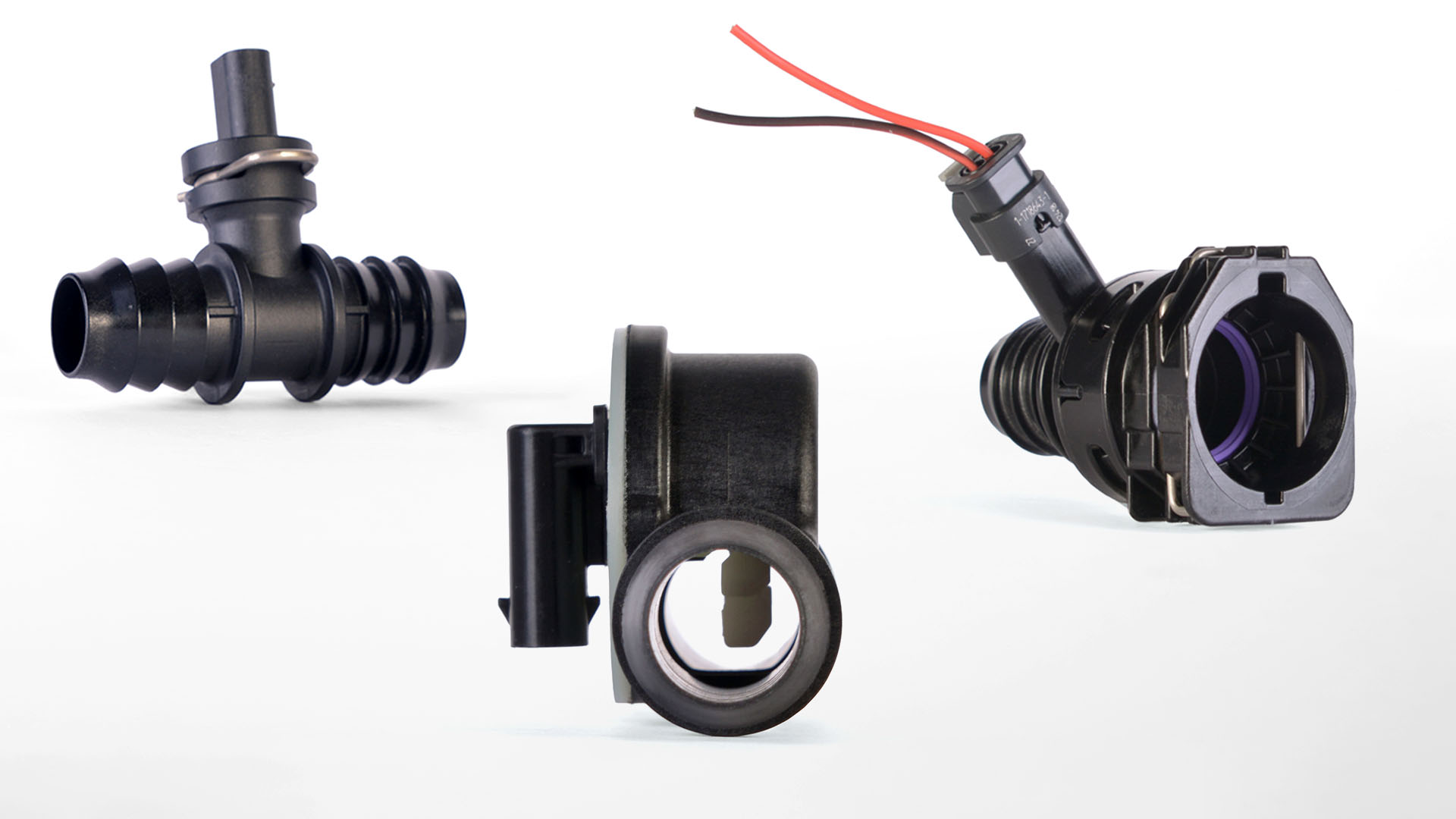
Real-Time Data, Monitoring and Quick System Response
Today’s vehicles rely on highly responsive thermal systems to control battery temperatures, maintain motor and inverter performance, and ensure long‑term system durability. This requires fluid sensing that is:
Features & Benefits:
- Accurate, with precise data even under dynamic driving conditions
- Responsive, providing real‑time feedback for improved thermal and energy optimization
- Reliable from extremely cold temperatures to high‑load duty cycles
- Compact integration into lines, connectors, and fluid modules
- Scalable to support multiple vehicle classes, architectures, and cooling strategies
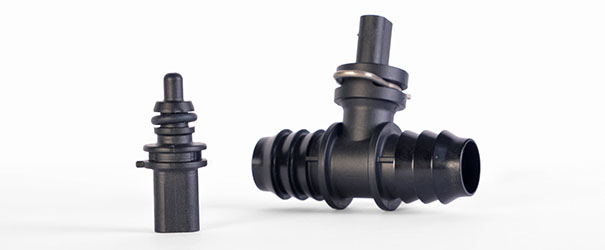
Serviceable Temperature Sensor
The Serviceable Temperature Sensor is a stand‑alone sensing device installed within a vehicle’s fluid‑handling system to monitor coolant or fluid temperature. Unlike integrated sensors, this is a serviceable sensor that uses a traditional, removable housing. It can be accessed, replaced, or serviced without disturbing the surrounding components
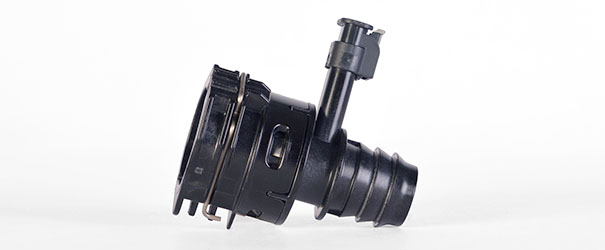
Integrated Temperature Sensor
The Integrated Temperature Sensor is a compact, tamper-resistant sensing device that measures the coolant temperature directly from within the fluid handling system. Instead of relying on a separately housed sensor and elastomeric seal, an integrated sensor is embedded directly into a connector, adapter, or module.
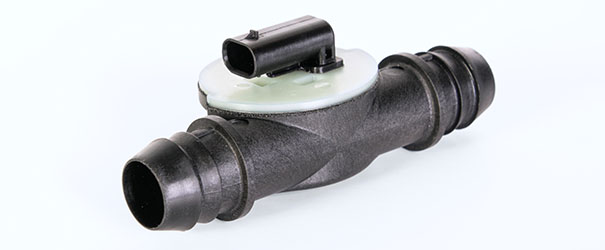
Coolant Flow Meter
The Coolant Flow Meter Sensor delivers precise, real‑time flow measurement data that shares how much coolant is moving through the system. Designed for tight packaging spaces and seamless integration, it brings next‑generation accuracy and control to modern thermal architectures.

Thank You for Your Interest